


National Arts Festival Image Gallery
All images are free to use. Please remember to credit the photographer, where given

Michael Roderick Wedderburn’s work exemplifies how an artist’s individualistic style and character is expressed within automatic and intuitive art-making methods. Drawing inspiration from automatic drawing and action painting in order to express the self, transcending the picture plane. From flat to highly textured paintings, from figural to completely abstract sculpture, Wedderburn explores Automatism, a purely expressive methodology, from both a conventional and non-conventional standpoint. ‘Expressive dimensions’ is an exhibition of these explorations.
Credits:
Nelson Mandela University
Department of Visual Arts
Bird Street Gallery
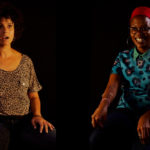
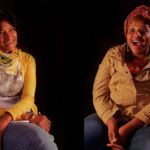
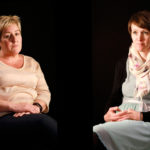
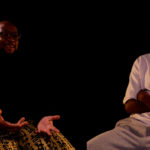
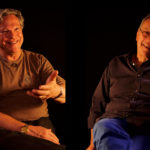
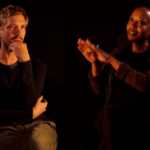
Which deaths and which births have influenced and changed my life so far? Who have I welcomed, who have I lost and said farewell to – and what has happened to me in the process? The latest long-term project by Mats Staub asks about existential experiences. It approaches universal themes through individual experiences and in relation to local contexts. In every place it is presented it brings people together to talk to each other about their experiences of death and birth – while also presenting conversations from other regions and establishing connections from one side of the world to another. As a video installation in theatre spaces it aims to create locations that permit intimacy while at the same time facilitating a communal experience. In «Death and Birth in My Life» he brings two people together in a clearly defined space and enables them to engage each other in conversation while he is present as an invisible companion. The participants are filmed both speaking and listening – so visitors to the installation will be able to look at the faces of both the speakers and the listeners shown on two screens.
Idea, Concept, Direction: Mats Staub
Camera: Benno Seidel, Matthias Stickel
Scenography: Monika Schori
Dramaturgical Associate: Simone von Büren, Elisabeth Schack
Research: Tim Harrison (Manchester), Maia Marie (Magaliesburg), Patrick Mudekereza (Lubumbashi), Dada Kahindo (Kinshasa), Marcus Rehberger (Basel), Nele Beinborn (Frankfurt), Wolfram Sander (Hannover), Leo Saftic (Perg), Celya Larré (Paris)
Technical Direction: Hanno Sons, Stefan Göbel
Postproduction: Benno Seidel
Translation, Subtitles: Simona Weber, Martin Thomas Pesl, Matthias Stickel, Benno Seidel
Production Management: Barbara Simsa, Elisabeth Schack
Production: zwischen_produktionen
Co-production: Kaserne Basel, SICK! Festival Manchester, Künstlerhaus Mousonturm Frankfurt, Festival Theaterformen Hannover, Festival der Regionen, Spielart Festival Munich, Centre culturel suisse Paris, Migros-Kulturprozent
Funding: Fachausschuss Tanz und Theater BS/BL, Pro Helvetia Swiss Arts Council, Christoph Merian Stiftung, Ernst Göhner Stiftung
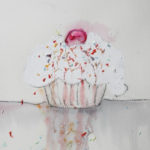
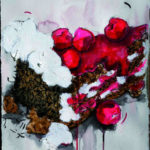
This is a 2D animation created in TV Paint.
Concept Kathy Santiago
Animation Lynda Ward
Sound Glenn Keiles and Lynda Ward
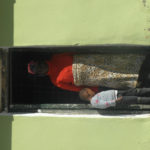
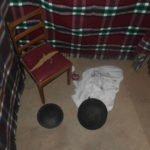
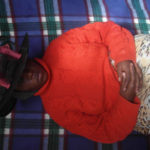
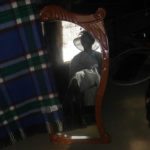
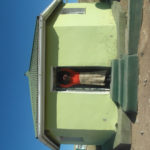
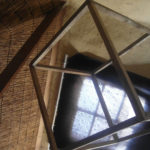
I woke up to a thought that I should build a grave .
Concept : Asanda Chuma Sopotela
Performer: Asanda Chuma Sopotela
Stage hands: Thembelani Diko
Art works by Anathi Sopotela
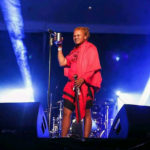
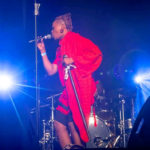
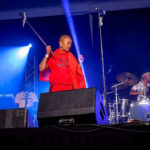
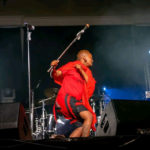
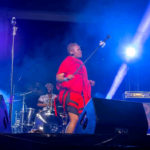
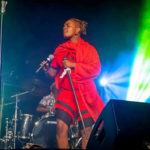
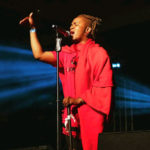
A showcase of Bhacasoul music by Joliza Magayiyana and his band. Although some maybe tempted to classify Joliza’s sound as Afro soul, but when you listen carefully it is not as simple as that. Hence Joliza labels his genre “Bhacasoul music”. The label pays homage to his ethnicity – Bhaca – into which he was born. Even though he was born in Port Elizabeth, Joliza’s family is from Emawusheni village in Mount Frere, a place dominated by AmaBhaca in the former Transkei. Although reflecting characteristics of Afro soul, Joliza’s sound leans towards African traditional music known as maskandi or umbhaqanga, a genre that contributed a lot during his upbringing.
Thandikhaya “Joliza” Magayiyana – Producer & Lead vocalist
Sivuyile Scott Msizi – 2nd keyboard & vocals
Mandilakhe Chaga – Lead guitar & vocals
Siphiwo Manyonga – 1st keyboard
Sipho Gqirana – Base guitar
Chumani Blou – Conga drums
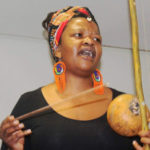
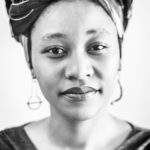
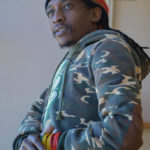
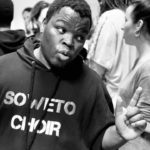

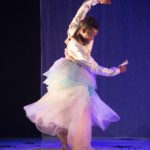
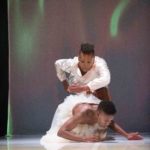
The concept of KGANYA is developed from making reference to beliefs and divine approach that are functional to humanity existence. Through dance movements the KGANYA narrative will be portrayed by four female dancers including the choreographer Lulu Mlangeni. The use of spoken text will give context on religion, culture and symbolism that form part of a philosophical platform from which both good and bad draw some sense of hope. KGANYA speaks about being hopeful and touches on compassion, forgiveness, hypocrisy, immortality, truth, love, sacrifice, betrayal, different language and ways of communication. The assumption is that life is about staying alive and making it through by surviving in a world of scarcity and peril.
Concept and Choreography: Lulu Mlangeni
Dancers: Lulu Mlangeni, Khaya Ndlovu, Megan Goliath, Noxolo Dlamini
Rehearsal Director: Gladys Agulhas
Dramaturgy: Sibulele Gcilitshana
Music Compostion: Gino Brown
Text: Smangaliso Ngwenya
Lighting and Set Designer: Oliver Hauser
Technical Director: Oliver Hauser
Costume: Amanda Laird Cherry
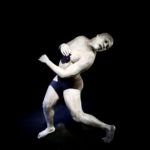
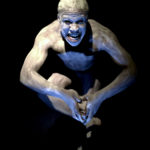
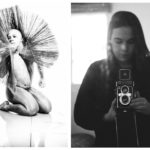
The Rebirth of IQHAWE is a short experimental dance film, exploring the potential to hybridize Sibeko’s Butoh-inspired performance practice into the film form: fragmenting, collaging and refiguring the body in time and space as a means to capture the corporeal expression of the movement. While by the modern Japanese movement practice of Butoh explores the connection of the body to mind and soul; the film attempts to channel the kinaesthetic energy of the body through the lens, the cut and the screen’s ability to bend time and space. The film was a direct response to Reeds of IQHAWE, Sibeko’s performance art and photographic series, exploring the body and its capacity for the sacred and the socio-political. By drawing on his seSotho ancestry and the Butoh movement practice, IQHAWE investigates the possibility of ceremonial and aesthetic fusion. Rebirth of IQHAWE premiered as part of an installation at the Wits Art Museum in 2017 and has been screened at film festivals around the globe, including the International Video Art House Festival in Madrid; Instants Vidéo Numériques et poétiques in Marseille; and the 6th International Meeting on Videodance and Videoperformance.
Concept by Nicola Pilkington and Oupa Sibeko
Performed by Oupa Sibeko
Videography and Edit by Nicola Pilkington
Score by Geoffrey Diver
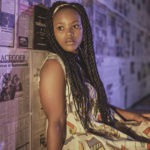
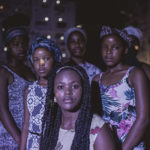
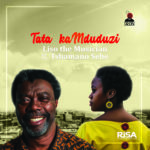

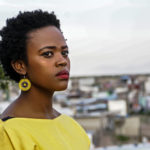
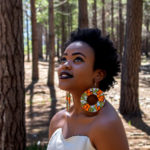
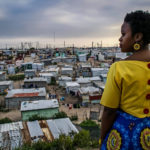
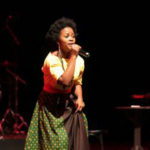
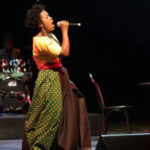
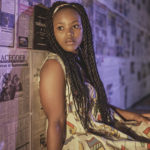
Liso the Musician teamed up with the South African number 1 music video director & cinematographer Motion Billy to create the most amazing virtual performance for this years National Arts Festival. This live band performance calls South Africans to pray to God and praise the Ancestors to help us in this time of the pandemic disease and it speaks of social ills that kills us all. ZAF’INGANE The musician will be accompanied by multiracial South Africa’s most amazing instrumentalists such as Ray Morgan (Drums), Bradley Prince (Lead Guitar), Stephen De Souza (Bass Guitar), Lwazi Knowledge Masuku with Sonwabile Mhlonyane, Mendy George and Anathi Mboyana as backing vocalists. Liso the Musician performance will also feature the legendary South African television and theatre award winning actor Tshamano Sebe, whom many will hear him sing for the first time live” This performance aims to be theatrical, story driven and spiritual.
Concept by Liso the Musician & The Sindos
Produced byKASI RC & Mandisi Sindo
Production Manager: George Kirkins
Cinematographer & Editor: Motion Billy
Artists:
Ray Morgan (Drums)
Bradley Prince (Lead Guitar)
Stephen De Souza (Bass Guitar)
Swazi Masuku (Keyboard)
Sonwabile Mhlonyane (Backing Vocalist)
Mendy George (Backing Vocalist)
Anathi Mboyana (Backing Vocalist)
Special S/O to Tshamano Sebe